| Предыдущая тема :: Следующая тема |
| Автор |
Сообщение |
alex ph 

Зарегистрирован: 16.03.2013
Сообщения: 1802
|
|
| Наверх |
|
 |
visualopsins

Зарегистрирован: 05.03.2009
Сообщения: 11704
Откуда: California
Expire: 2027-07-11
|
 Отправлено: Пн Май 29, 2023 7:24 pm Заголовок сообщения: |
|
Отправлено: Пн Май 29, 2023 7:24 pm Заголовок сообщения: |
|
|
visualopsins wrote:
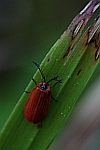
 I see only one beetle, but oh! What a little jewel!
_________________
☮☮☮☮☮☮☮☮☮☮☮☮☮☮☮☮☮☮☮☮☮☮☮☮☮☮☮☮☮☮☮☮ like attracts like! ☮☮☮☮☮☮☮☮☮☮☮☮☮☮☮☮☮☮☮☮☮☮☮☮☮☮☮☮☮☮☮☮
Cameras: Sony ILCE-7RM2, Spotmatics II, F, and ESII, Nikon P4
Lenses:
M42 Asahi Optical Co., Takumar 1:4 f=35mm, 1:2 f=58mm (Sonnar), 1:2.4 f=58mm (Heliar), 1:2.2 f=55mm (Gaussian), 1:2.8 f=105mm (Model I), 1:2.8/105 (Model II), 1:5.6/200, Tele-Takumar 1:5.6/200, 1:6.3/300, Macro-Takumar 1:4/50, Auto-Takumar 1:2.3 f=35, 1:1.8 f=55mm, 1:2.2 f=55mm, Super-TAKUMAR 1:3.5/28 (fat), 1:2/35 (Fat), 1:1.4/50 (8-element), Super-Multi-Coated Fisheye-TAKUMAR 1:4/17, Super-Multi-Coated TAKUMAR 1:4.5/20, 1:3.5/24, 1:3.5/28, 1:2/35, 1:3.5/35, 1:1.8/85, 1:1.9/85 1:2.8/105, 1:3.5/135, 1:2.5/135 (II), 1:4/150, 1:4/200, 1:4/300, 1:4.5/500, Super-Multi-Coated Macro-TAKUMAR 1:4/50, 1:4/100, Super-Multi-Coated Bellows-TAKUMAR 1:4/100, SMC TAKUMAR 1:1.4/50, 1:1.8/55
M42 Carl Zeiss Jena Flektogon 2.4/35
Contax Carl Zeiss Vario-Sonnar T* 28-70mm F3.5-4.5
Pentax K-mount SMC PENTAX-A ZOOM 1:3.5 35~105mm, SMC PENTAX ZOOM 1:4 45~125mm
Nikon Micro-NIKKOR-P-C Auto 1:3.5 f=55mm, NIKKOR-P Auto 105mm f/2.5 Pre-AI (Sonnar), Micro-NIKKOR 105mm 1:4 AI, NIKKOR AI-S 35-135mm f/3,5-4,5
Solinon 1:5.6/18 ASPH.
Tamron SP 17mm f/3.5 (51B), Tamron SP 17mm f/3.5 (151B), SP 500mm f/8 (55BB), SP 70-210mm f/3.5 (19AH)
Vivitar 100mm 1:2.8 MC 1:1 Macro Telephoto (Kiron)
|
|
| Наверх |
|
|
kds315*

Зарегистрирован: 12.03.2008
Сообщения: 16912
Откуда: Kehl, Germany
Expire: 2021-03-09
|
Отправлено: Вт Май 30, 2023 6:08 am Заголовок сообщения: |
|
Отправлено: Вт Май 30, 2023 6:08 am Заголовок сообщения: |
|
|
kds315* wrote:
_________________
Klaus - Admin
"S'il vient a point, me souviendra" [Thomas Bohier (1460-1523)]
http://www.macrolenses.de for macro and special lens info
http://www.pbase.com/kds315/uv_photos for UV Images and lens/filter info
https://www.flickr.com/photos/kds315/albums my albums using various lenses
http://photographyoftheinvisibleworld.blogspot.com/ my UV BLOG
http://www.travelmeetsfood.com/blog Food + Travel BLOG
https://galeriafotografia.com Architecture + Drone photography
Currently most FAV lens(es):
X80QF f3.2/80mm
Hypergon f11/26mm
ELCAN UV f5.6/52mm
Zeiss UV-Planar f4/60mm
Zeiss UV-Planar f2/62mm
Lomo Уфар-12 f2.5/41mm
Lomo Зуфар-2 f4.0/350mm
Lomo ZIKAR-1A f1.2/100mm
Nikon UV Nikkor f4.5/105mm
Zeiss UV-Sonnar f4.3/105mm
CERCO UV-VIS-NIR f1.8/45mm
CERCO UV-VIS-NIR f4.1/94mm
CERCO UV-VIS-NIR f2.8/100mm
Steinheil Quarzobjektiv f1.8/50mm
Pentax Quartz Takumar f3.5/85mm
Carl Zeiss Jena UV-Objektiv f4/60mm
NYE OPTICAL Lyman-Alpha II f1.1/90mm
NYE OPTICAL Lyman-Alpha I f2.8/200mm
COASTAL OPTICS f4/60mm UV-VIS-IR Apo
COASTAL OPTICS f4.5/105mm UV-Micro-Apo
Pentax Ultra-Achromatic Takumar f4.5/85mm
Pentax Ultra-Achromatic Takumar f5.6/300mm
Rodenstock UV-Rodagon f5.6/60mm + 105mm + 150mm
|
|
| Наверх |
|
|
caspert79

Зарегистрирован: 31.10.2010
Сообщения: 3916
Откуда: The Netherlands
|
Отправлено: Ср Май 31, 2023 8:16 pm Заголовок сообщения: |
|
Отправлено: Ср Май 31, 2023 8:16 pm Заголовок сообщения: |
|
|
caspert79 wrote:
Really nice results 👠|
|
| Наверх |
|
|
LittleAlex

Зарегистрирован: 27.11.2008
Сообщения: 2085
Откуда: L'vov (Western Ukraine)
|
Отправлено: Ср Май 31, 2023 8:22 pm Заголовок сообщения: |
|
Отправлено: Ср Май 31, 2023 8:22 pm Заголовок сообщения: |
|
|
LittleAlex wrote:
_________________
"Sharpness is a bourgeois concept" - © H. Cartier Bresson |
|
| Наверх |
|
|
uddhava

Зарегистрирован: 22.08.2012
Сообщения: 3079
Откуда: Hungary
Expire: 2021-06-21
|
Отправлено: Чт Июн 01, 2023 9:45 am Заголовок сообщения: |
|
Отправлено: Чт Июн 01, 2023 9:45 am Заголовок сообщения: |
|
|
uddhava wrote:
Nice photos, beautiful beetle! |
|
| Наверх |
|
|
alex ph
Зарегистрирован: 16.03.2013
Сообщения: 1802
|
Отправлено: Пт Июн 02, 2023 12:06 am Заголовок сообщения: |
|
Отправлено: Пт Июн 02, 2023 12:06 am Заголовок сообщения: |
|
|
alex ph wrote:
Thank you so much, fellows!
It's true, only one shiny beetle. Should I change the title?
To render the things even more complicated, here are some more rainbow shapes and the same shot desaturated.
#1

#2

The lens shows quite pronounced barrel distortion if one looks attentively. Although that does not seem to spoil the shots too much. |
|
| Наверх |
|
|
e6filmuser
Зарегистрирован: 12.11.2010
Сообщения: 1159
Откуда: Reading UK
|
Отправлено: Сб Июн 03, 2023 6:46 pm Заголовок сообщения: |
|
Отправлено: Сб Июн 03, 2023 6:46 pm Заголовок сообщения: |
|
|
e6filmuser wrote:
| visualopsins писал(а): |
| I see only one beetle, but oh! What a little jewel! |
A Rosemary Beetle, found on Rosemary or Lavender, etc.
_________________
Dedicated to using manual focus lenses with digital. Equiped for photography from macro to panoramic & from ultra-wide to extreme telephoto. Mostly shooting outdoor macro. Experienced entomological taxonomist. Some knowledge of mushrooms. |
|
| Наверх |
|
|
visualopsins
Зарегистрирован: 05.03.2009
Сообщения: 11704
Откуда: California
Expire: 2027-07-11
|
Отправлено: Вт Июн 06, 2023 9:06 pm Заголовок сообщения: |
|
Отправлено: Вт Июн 06, 2023 9:06 pm Заголовок сообщения: |
|
|
visualopsins wrote:
| e6filmuser писал(а): |
| visualopsins писал(а): |
| I see only one beetle, but oh! What a little jewel! |
A Rosemary Beetle, found on Rosemary or Lavender, etc. |
 looks like rosemary
_________________
☮☮☮☮☮☮☮☮☮☮☮☮☮☮☮☮☮☮☮☮☮☮☮☮☮☮☮☮☮☮☮☮ like attracts like! ☮☮☮☮☮☮☮☮☮☮☮☮☮☮☮☮☮☮☮☮☮☮☮☮☮☮☮☮☮☮☮☮
Cameras: Sony ILCE-7RM2, Spotmatics II, F, and ESII, Nikon P4
Lenses:
M42 Asahi Optical Co., Takumar 1:4 f=35mm, 1:2 f=58mm (Sonnar), 1:2.4 f=58mm (Heliar), 1:2.2 f=55mm (Gaussian), 1:2.8 f=105mm (Model I), 1:2.8/105 (Model II), 1:5.6/200, Tele-Takumar 1:5.6/200, 1:6.3/300, Macro-Takumar 1:4/50, Auto-Takumar 1:2.3 f=35, 1:1.8 f=55mm, 1:2.2 f=55mm, Super-TAKUMAR 1:3.5/28 (fat), 1:2/35 (Fat), 1:1.4/50 (8-element), Super-Multi-Coated Fisheye-TAKUMAR 1:4/17, Super-Multi-Coated TAKUMAR 1:4.5/20, 1:3.5/24, 1:3.5/28, 1:2/35, 1:3.5/35, 1:1.8/85, 1:1.9/85 1:2.8/105, 1:3.5/135, 1:2.5/135 (II), 1:4/150, 1:4/200, 1:4/300, 1:4.5/500, Super-Multi-Coated Macro-TAKUMAR 1:4/50, 1:4/100, Super-Multi-Coated Bellows-TAKUMAR 1:4/100, SMC TAKUMAR 1:1.4/50, 1:1.8/55
M42 Carl Zeiss Jena Flektogon 2.4/35
Contax Carl Zeiss Vario-Sonnar T* 28-70mm F3.5-4.5
Pentax K-mount SMC PENTAX-A ZOOM 1:3.5 35~105mm, SMC PENTAX ZOOM 1:4 45~125mm
Nikon Micro-NIKKOR-P-C Auto 1:3.5 f=55mm, NIKKOR-P Auto 105mm f/2.5 Pre-AI (Sonnar), Micro-NIKKOR 105mm 1:4 AI, NIKKOR AI-S 35-135mm f/3,5-4,5
Solinon 1:5.6/18 ASPH.
Tamron SP 17mm f/3.5 (51B), Tamron SP 17mm f/3.5 (151B), SP 500mm f/8 (55BB), SP 70-210mm f/3.5 (19AH)
Vivitar 100mm 1:2.8 MC 1:1 Macro Telephoto (Kiron)
|
|
| Наверх |
|
|
alex ph
Зарегистрирован: 16.03.2013
Сообщения: 1802
|
Отправлено: Чт Июн 08, 2023 10:57 pm Заголовок сообщения: |
|
Отправлено: Чт Июн 08, 2023 10:57 pm Заголовок сообщения: |
|
|
alex ph wrote:
| e6filmuser писал(а): |
| A Rosemary Beetle, found on Rosemary or Lavender, etc. |
I am reading they are quite harmful insects, as opposed to their shiny look. |
|
| Наверх |
|
|
visualopsins
Зарегистрирован: 05.03.2009
Сообщения: 11704
Откуда: California
Expire: 2027-07-11
|
Отправлено: Пт Июн 09, 2023 2:17 am Заголовок сообщения: |
|
Отправлено: Пт Июн 09, 2023 2:17 am Заголовок сообщения: |
|
|
visualopsins wrote:
https://en.m.wikipedia.org/wiki/Chrysolina_americana
| Цитата: |
| This species was first discovered living outdoors in the United Kingdom in 1994. By 2002 it had become widespread in the London area, and spreading rapidly throughout. Although it is susceptible to some pesticides, it is usually recommended that home growers pick off beetles by hand, or shake them off onto a sheet of paper to remove them, if the plant affected by them is intended for culinary purposes. Otherwise, they do not present a major problem to the host plants, although a large, long- term infestation can be devastating. |
No worries. Too many of anything attracts predators after a time.
_________________
☮☮☮☮☮☮☮☮☮☮☮☮☮☮☮☮☮☮☮☮☮☮☮☮☮☮☮☮☮☮☮☮ like attracts like! ☮☮☮☮☮☮☮☮☮☮☮☮☮☮☮☮☮☮☮☮☮☮☮☮☮☮☮☮☮☮☮☮
Cameras: Sony ILCE-7RM2, Spotmatics II, F, and ESII, Nikon P4
Lenses:
M42 Asahi Optical Co., Takumar 1:4 f=35mm, 1:2 f=58mm (Sonnar), 1:2.4 f=58mm (Heliar), 1:2.2 f=55mm (Gaussian), 1:2.8 f=105mm (Model I), 1:2.8/105 (Model II), 1:5.6/200, Tele-Takumar 1:5.6/200, 1:6.3/300, Macro-Takumar 1:4/50, Auto-Takumar 1:2.3 f=35, 1:1.8 f=55mm, 1:2.2 f=55mm, Super-TAKUMAR 1:3.5/28 (fat), 1:2/35 (Fat), 1:1.4/50 (8-element), Super-Multi-Coated Fisheye-TAKUMAR 1:4/17, Super-Multi-Coated TAKUMAR 1:4.5/20, 1:3.5/24, 1:3.5/28, 1:2/35, 1:3.5/35, 1:1.8/85, 1:1.9/85 1:2.8/105, 1:3.5/135, 1:2.5/135 (II), 1:4/150, 1:4/200, 1:4/300, 1:4.5/500, Super-Multi-Coated Macro-TAKUMAR 1:4/50, 1:4/100, Super-Multi-Coated Bellows-TAKUMAR 1:4/100, SMC TAKUMAR 1:1.4/50, 1:1.8/55
M42 Carl Zeiss Jena Flektogon 2.4/35
Contax Carl Zeiss Vario-Sonnar T* 28-70mm F3.5-4.5
Pentax K-mount SMC PENTAX-A ZOOM 1:3.5 35~105mm, SMC PENTAX ZOOM 1:4 45~125mm
Nikon Micro-NIKKOR-P-C Auto 1:3.5 f=55mm, NIKKOR-P Auto 105mm f/2.5 Pre-AI (Sonnar), Micro-NIKKOR 105mm 1:4 AI, NIKKOR AI-S 35-135mm f/3,5-4,5
Solinon 1:5.6/18 ASPH.
Tamron SP 17mm f/3.5 (51B), Tamron SP 17mm f/3.5 (151B), SP 500mm f/8 (55BB), SP 70-210mm f/3.5 (19AH)
Vivitar 100mm 1:2.8 MC 1:1 Macro Telephoto (Kiron)
|
|
| Наверх |
|
|
|
|
|
Вы не можете создавать новые темы в этом форуме
Вы не можете отвечать в темах этого форума
Вы не можете редактировать свои сообщения в этом форуме
Вы не можете удалять свои сообщения в этом форуме
Вы не можете голосовать в опросах этого форума
|
 Русский
 Español
 中文
 Magyar
 Deutsch
 日本語
 Français